Auction leaders know revenue means nothing if the fees eat the margin.
Anybody can grow gross. Add more sales. Add more inventory. Add more bidders. Add more clerks. Watch the top line tick up and call it momentum. The numbers feel good on a Monday-morning huddle.
The problem is that gross is a vanity metric. Margin is the metric that pays the lights, makes payroll, funds the next building, and lets you sleep on Sunday night. And in this industry, margin is precisely the number most auction software is engineered to quietly erode the moment your business starts working.
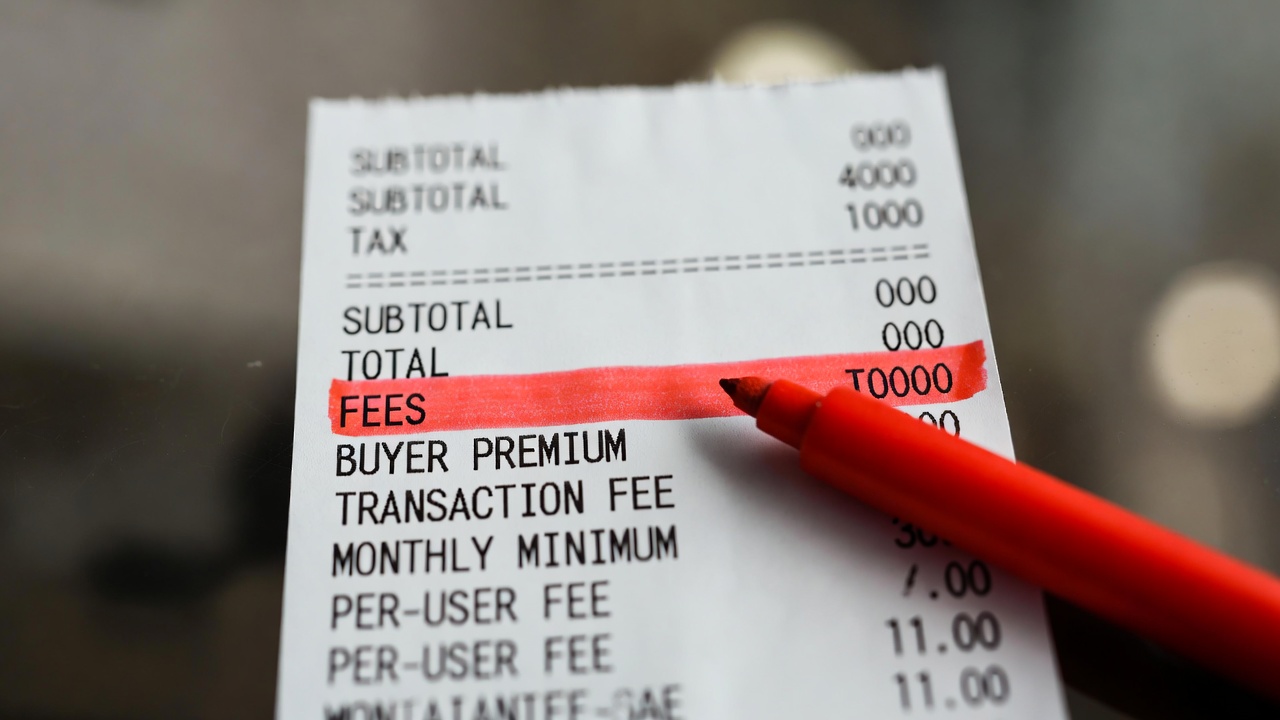
The thing nobody tells you in the demo
The first time you sign a contract with a percentage-based auction platform, the math feels harmless. A small slice of every sale, a buyer premium passed through, maybe a small monthly base. On a fifty-thousand-dollar gavel, the slices look minor.
The thing nobody tells you in the demo is what those slices do as you grow.
Percentage-based fees scale with your success. Every additional dollar of hammer brings additional fees. Every new staff seat brings a new line item. Every new feature you turn on brings a new add-on charge. The platform’s incentive is structurally aligned with your gross, not your margin — because gross is what their take is calculated against.
You spend the year building the business. The platform spends the year sharing in the upside without sharing in the work. By the time you notice, you’re running an operation where your margin per sale is shrinking even as your gross per sale grows. That’s not a business — that’s a treadmill with a kicker.
Why fees scale with success (and why that’s a leadership problem)
For a working auction business, three categories of fees quietly multiply with growth:
- The seller’s slice. A 2–5% cut of every gross sale, taken before you settle with consignors. Looks small per item. Adds up to a six-figure number for a moderately busy yard.
- The buyer’s premium that isn’t yours. Many platforms tack a buyer premium of 1–15% on top of every winning bid and route it to themselves, not you. Bidders cap their bids accordingly, so the cost shows up twice — once in the fee, once in suppressed hammer prices.
- The “grow and pay more” surcharges. Per-staff fees, per-photo fees, per-listing fees, per-feature add-ons. Every operational improvement quietly increases the bill.
None of these are deal-breakers individually. Together, they create a structural dependency where the platform extracts a larger absolute dollar amount the better you do — without the corresponding rise in service. That’s not a partnership. That’s a tax on success.
Real example: the auctioneer whose 30% growth produced zero margin growth
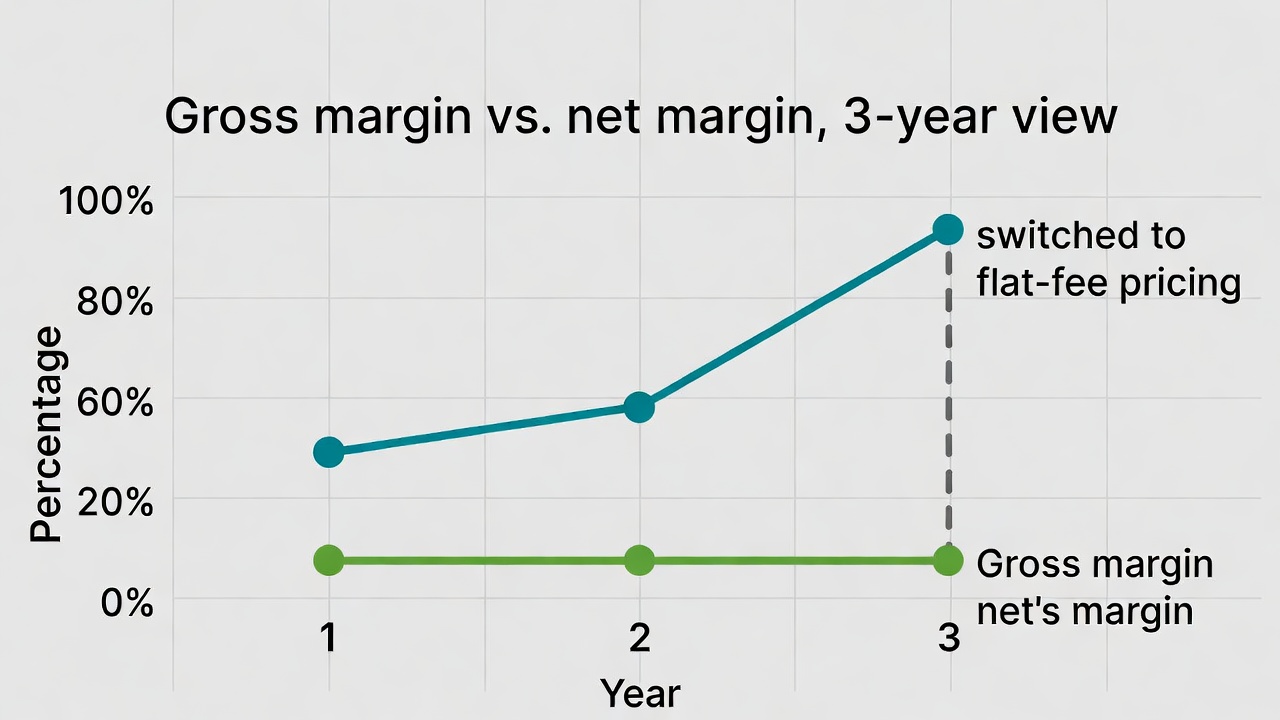
An estate and equipment auctioneer we’ll call Tilden Brothers grew gross hammer 30% year over year for two consecutive years — an enviable run by any standard. They added a third clerk, doubled the photography output, and moved to twice-weekly online sales.
The owner sat down with the books at year-end and discovered something uncomfortable. Net margin had not moved. Two years of compounding 30% growth had produced effectively zero additional take-home — just a much bigger company doing much more work for the same number.
The investigation took an afternoon. The platform’s percentage-based fees had grown in lockstep with revenue. The new clerk seat added a per-user fee. The expanded photography pushed them into a higher storage tier. The buyer premium routed to the platform meant their hammer prices were being suppressed at the top of every lot. Every operational improvement had triggered a fee increase that absorbed the gain.
The fix wasn’t a price increase or a layoff. It was a switch to flat-fee pricing — one bill per month, regardless of volume. The next year’s 30% gross growth produced the margin growth Tilden Brothers had been quietly buying for the platform the prior two years.
“Reason from first principles, not by analogy.”
— Elon Musk
Musk’s habit, repeated in interview after interview, is to refuse to inherit the cost structure of an industry just because that’s how it’s always been priced. Take it apart. Ask what each component actually costs to deliver, then rebuild the price from there. The auctioneers who protect their margins do exactly the same. They don’t ask “what does auction software cost in this industry?” They ask “what is this software actually doing for me, and what should that cost?” The answer is almost never “a percentage of my hammer for the rest of my life.”
Doing the math: flat-fee vs. percentage-of-sales
Try this exercise on the back of a napkin. Take last year’s gross hammer. Multiply by the platform’s combined seller and buyer percentage. Add subscription fees, per-user fees, and any volume add-ons. That’s your annual platform tax.
Now ask: at flat-fee pricing, what would the same amount of work have cost? For most working auction businesses past their first year, the gap is significant — usually five figures, sometimes six.
That gap doesn’t belong to the software vendor. It belongs to the auctioneer who did the work, the consignors who trusted you with their items, and the next investment in your business — better photography, more staff, a better catalog, a real marketing budget. Anywhere that money lands inside your company is better than where it’s landing now.
For an instant version of this calculation, run the auction software savings calculator. For the structural argument, see why we charge zero transaction fees and the pricing page that codifies it.
What disciplined leaders insist on
- Predictable monthly cost. One bill. No percentage of hammer. No per-staff multipliers. No surprise line items the month you grow.
- The full buyer premium. The premium your bidders pay should land in your account, not the vendor’s. That’s the consignor’s margin and yours — not a third party’s.
- Transparent unit economics. You should be able to state, on demand, your average margin per lot. If your software fees are tangled into a percentage-of-gross structure, you can’t — and that opacity is the point.
- Cost flat to growth. Doubling your auctions next year should not double your software bill. If it does, the platform is structurally taking a piece of your scale.
Five numbers every auction leader should know cold
- Average gross hammer per auction.
- Average platform fees per auction (subscription, transaction, per-user, add-ons — totaled).
- Effective platform tax rate (item 2 ÷ item 1, expressed as a percentage).
- Year-over-year change in that effective rate. (If it’s climbing, your platform is winning faster than you are.)
- What you would pay this year on a flat-fee model. (The gap between this and item 2 is the leadership opportunity.)
If you can’t answer those five from memory, the platform’s pricing structure is doing your accounting for you — and not in your favor. Auction leadership is knowing your numbers before the auction starts, not after it ends.
Growth should reward the seller. The leader’s job is to make sure it does.